The theme of BTO 2026 is “Offbeat Tribes”—tribes that move outside the dominant rhythm. Slow Food was doing this before there was even a name for it. In 1986, in Bra, a countercultural idea took shape: the pleasure of food and the time to enjoy it as rights to be defended. From that insight, an international movement was born, culminating in the manifesto signed in 1989 in Paris by delegations from more than twenty countries.
But what does it mean today to think outside the box of mainstream thinking in tourism? What does the future hold for the communities and regions that preserve their food and wine heritage? And how can we prevent concepts like authenticity, sustainability, and slow tourism from being reduced to mere marketing labels?
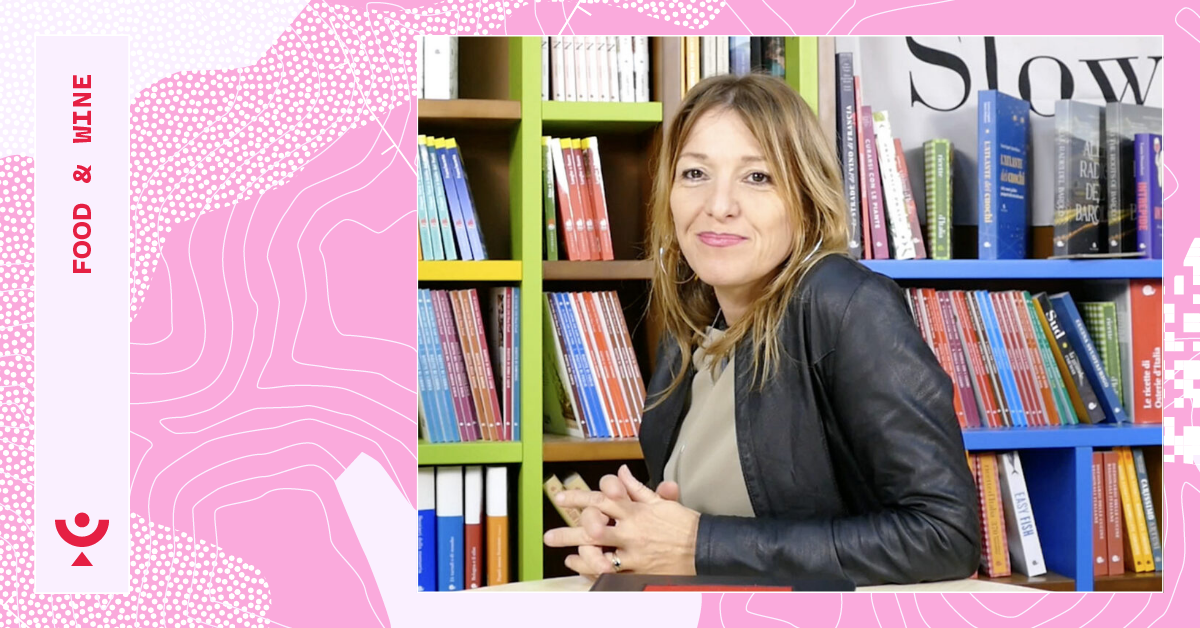
From Carlin Petrini’s insights to the challenges of tomorrow: a conversation with Barbara Nappini, president of Slow Food Italy, ahead of the panel discussion “The Tribe That Saw the Future: When Carlin Petrini Imagined Tourism That Didn’t Exist Yet”.
The interview was conducted by Stefano Maccioni as part of the BTO 2026’s Social Media Lab project, a space for experimentation, co-design, and collective storytelling that brings together creators and communications professionals.
Stefano: When an idea becomes a community, what keeps people together over time: the person who came up with it, or the idea itself? And what has changed for Slow Food, just a few months after Carlo Petrini’s passing?
Carlo had an extraordinary ability to bring connections to light: between the pleasure of eating and the health of the land, between farming knowledge and the future of communities. And around these connections, he was able to bring together a multitude of people—even those who were very different from one another—who nevertheless felt they were part of a journey that mattered to them.
That world of ideas built around food has taken root in relationships, friendships, and the work we’ve done together. Also—and perhaps above all—in the joy of gathering around a table: pleasure and conviviality have always been powerful tools for dialogue, connection, and engagement.
Carlin left behind an enormous legacy and a powerful presence: he is in everything we do, in our projects, in the words we use, and in the thinking that continues to evolve. The vitality of a movement is evident in people’s willingness and ability to nurture ideas and translate them into actions, while maintaining a curious and visionary outlook to tackle new questions.
Stefano: Many of the regions that Slow Food has helped put on the map have now become popular destinations. How do we welcome visitors without losing what first made people fall in love with those places?
Let’s start by asking ourselves what really made us fall in love. Maybe it was authenticity?
An agricultural landscape exists because someone works it. Cheese exists because there is a breed of cattle, a farm, pastureland, but also a hedge and a trail, as well as knowledge passed down through generations and people who take on the hard work every day. That beauty depends on certain biological conditions for its existence, and tourism must help preserve them.
If a country becomes a popular tourist destination but its residents can no longer find housing, if the services essential to daily life disappear, if agricultural work remains poorly paid while the commercial value of the region’s image—and its real estate—rises, we must ask ourselves what direction we have taken.
If authenticity is the cornerstone, then we must start with the communities and their ability to govern their own territory, protect its biodiversity and landscape, keep it vibrant, and define their socioeconomic priorities and vision for the future.
Through Slow Food Travel, we work to build relationships between producers, chefs, travelers, and hosts. In this way, travel becomes an opportunity for growth and discovery—a chance to understand the significance of food and the work of those who produce it, and to support them.
Stefano: “Slow” has become an adjective in tourism marketing: slow travel, slow experience, slow living. When a word that originated in your own home is used for marketing purposes, how can you tell the difference between those who actually practice it and those who just use it as a label?
By now, as our lawyers tell us, it’s very difficult to “protect” it! Because the word “slow” has been so successful that it now represents an entire positive and alternative value system: and since Carlin taught us that the success of ideas is measured by their ability to stand on their own two feet, we should be happy about it anyway. Also because it taps into a real and widespread need for a different pace of life, for more meaningful relationships, and for a more mindful connection to places. Obviously, this alternative must not only be described but also put into practice: it cannot be limited to storytelling alone; the problem arises when the market absorbs those words while leaving everything else intact.
“Slow” is about the value we place on time and life: to understand it, we need to take an interest, ask questions, and get to know people. Who produces the food we eat? How is the land treated? What kind of relationships do we have with farmers? Does this activity contribute to community life?
The right to pleasure comes with a responsibility, because it depends on resources and the labor of others. “Slow” means recognizing these connections and acting accordingly—even when doing so requires more attention, even when it means giving something up, first and foremost exploitation.
Stefano: The panel discussion focuses on the concept of limits, even in the face of a climate that is already changing agriculture and landscapes. If you were to lead tourism in a wine-growing region tomorrow, what would be the first concrete step you would take?
I would place the management of natural resources—biodiversity, air, water, and soil—at the center of decision-making. I would propose a territorial agreement among public officials, farmers, tourism operators, and residents to determine how to use these resources wisely and with foresight, how to reduce waste, and which priorities to uphold during times of scarcity. With specific, verifiable commitments that guide management with fairness and respect, with a view to safeguarding the future of the next generations and the beauty of the planet we inhabit.
Because talking about a limit means making decisions based on that limit and, on that premise, envisioning and building a form of development worthy of the name.
And I would broaden my perspective to include the wine-growing landscape. Its vitality also depends on the fertility of the soil, the hedgerows, the trees, the variety of crops, and the organisms that inhabit it: all of this creates a complex agricultural landscape in which the elements interact within the life-giving force that animates ecosystems, generating that harmonious and varied beauty that is of direct interest to tourists. The climate crisis compels us to recognize our interconnectedness with one another and with nature: this awareness must guide public and private decisions, with the understanding that our ability to welcome the future depends on the care we practice today.
Stefano: Why should those working in tourism—whether they’re hoteliers or restaurant owners—participate in the panel “The Tribe That Saw the Future”? What do you hope they’ll take away from it?
Because we’ll also be talking about everyone’s future—including yours. A restaurant, a hotel, and a winery are all part of a local community and share its fate. The disappearance of a farm, the abandonment of a village, or the loss of local production also affect those who welcome visitors: they erode relationships, diminish the opportunities available, and undermine the very foundations upon which your work is built.
We’re discussing this to highlight our ability to choose, to make a difference, and to shape the course of events through our actions—through our purchases, working conditions, relationships with producers, and the experiences we offer our guests. But also by participating in collective decision-making and advocating for policies that look beyond the results of the next season.
Tourism mobilizes economic resources, attention, and desires. We can channel them toward caring for these places and ensuring greater justice for those who live there. It is a real possibility, one that requires partnerships and a shared vision.
Slow Food’s ideas have become so influential because so many people have embraced them, turning them into concrete choices and actions. This is the strength of a community: bringing about collective change that goes far beyond the idea that started it all.
The event with Barbara Nappini is on November 10 at 4:00 p.m. in Hall #6 on the panel “THE TRIBE THAT HAD SEEN THE FUTURE. When Carlin Petrini Envisioned a Form of Tourism That Didn’t Exist” with Eleonora Cozzella, editor-in-chief of *Il Gusto*—*la Repubblica*, and Mafe de Baggis, digital media strategist, communications consultant, and author of numerous books.
The interview, conducted by Stefano Maccioni, is part of the communication and experimentation project Social Media LAB project by BTO 2026, conceived by Roberta Milano and curated by Annalisa Romeo.
Choose here the BTO 2026 ticket that best suits your needs.
We look forward to seeing you at the Leopolda Station in Florence for BTO – Be Travel Onlife.
