Long before concepts such as overtourism, the limits to growth, and respect for local communities became priorities on the global tourism agenda, there were those who were already putting them into practice, going against the grain.
Carlo Petrini and the Slow Food movement gave rise to a truly visionary tribe, anticipating themes and scenarios that seemed radical at the time: the right to pleasure and leisure, the value of conviviality, biodiversity as an economic and social asset, and a redefined set of principles according to which authentic tourism stems first and foremost from the happiness and quality of life of residents, and only consequently welcomes travelers.
An insight that has redefined travel in general and food-and-wine tourism in particular: food and wine are no longer merely consumer products or postcard-worthy attractions, but rather a living cultural expression of those who cultivate, produce, and preserve the landscape, inextricably linking taste to the protection of the land.
Today, that pioneering vocabulary—made up of words like “slowness,” “care for the local area,” and “meeting with producers”—has become part of the collective consciousness and dominates the narrative of travel. The ideas of a “tribe” have thus found their way into the desires and expectations of a much broader audience, helping to reshape what we seek in a journey. But adopting these words isn’t enough: the real test lies ahead.
This panel isn’t meant to look back and celebrate the past, but to explore the future of tourism and chart a course for the coming years.
What lessons from that original vision do we still need to translate into models of governance, land-use policies, and regenerative economies? Faced with the climate crisis—which is having a severe impact on agriculture, reshaping landscapes, and “displacing crops and cultures”—how can we apply a sense of limits moving forward to preserve the soul of these places without turning them into mere backdrops or theme parks for visitors?
In this conversation between Barbara Nappini (president of Slow Food Italy) and journalist Eleonora Cozzella, we will explore the connection between the insights of the past and the urgent choices of the future: not only to tell the stories of these regions in an ethical way, but to defend them and ensure their long-term survival.
SPEAKERS

Roberta Milano
Tourism Marketing & Communication Strategist

Eleonora Cozzella
Il Gusto - la Repubblica Direttore
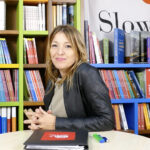
Barbara Nappini
Slow Food Italy Presidente
