Food and wine heritage is a resource; turning it into tourism is a process. Having excellent products, a distinctive cuisine, and deep-rooted traditions is not enough, on its own, to make a region a food and wine destination.
When, then, do food and wine become a reason to set out, discover, and experience a place? And above all, how is this transition shaped and managed?
The panel explores the journey from the product to the region and from the region to the tourist experience through three complementary perspectives. The narrative gives voice to the people, recipes, memories, and culture of these places; the gastronomic analysis interprets the relationships between products, supply chains, the landscape, communities, and identity; and destination management transforms this heritage into experiences and tourism offerings, drawing on strategy, market knowledge, and data.
Real-world examples will also provide insight into the less visible aspects of the process: how to identify target audiences, develop and position the offering, ensure its sustainability, and use data—including predictive analytics—to manage visitor flows and prevent overtourism.
Different perspectives on understanding when food and wine truly become a form of tourism, and what conditions are necessary for them to generate value for visitors and the regions that host them.
SPEAKERS
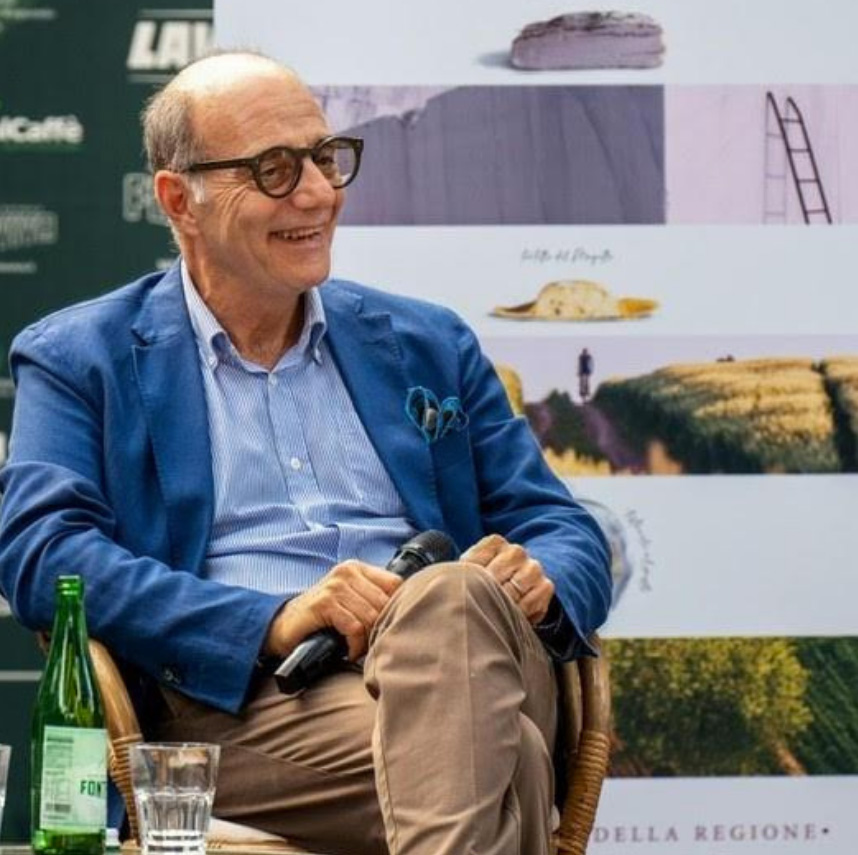
Francesco Tapinassi
BTO 2026 Direttore Scientifico
Leonardo Marras
Tuscany Region Assessore all'economia e al turismo

Bruno Bertero
Langhe Monferrato Roero Tourism Board Direttore Generale

Paolo Tegoni
Terrae Cultural and Culinary Center Docente e gastronomo
Luisanna Messeri
Chef, author, writer, and TV personality

Paolo Setta
Il Bosso Cooperative Direttore Turismo, Comunicazione e Marketing
